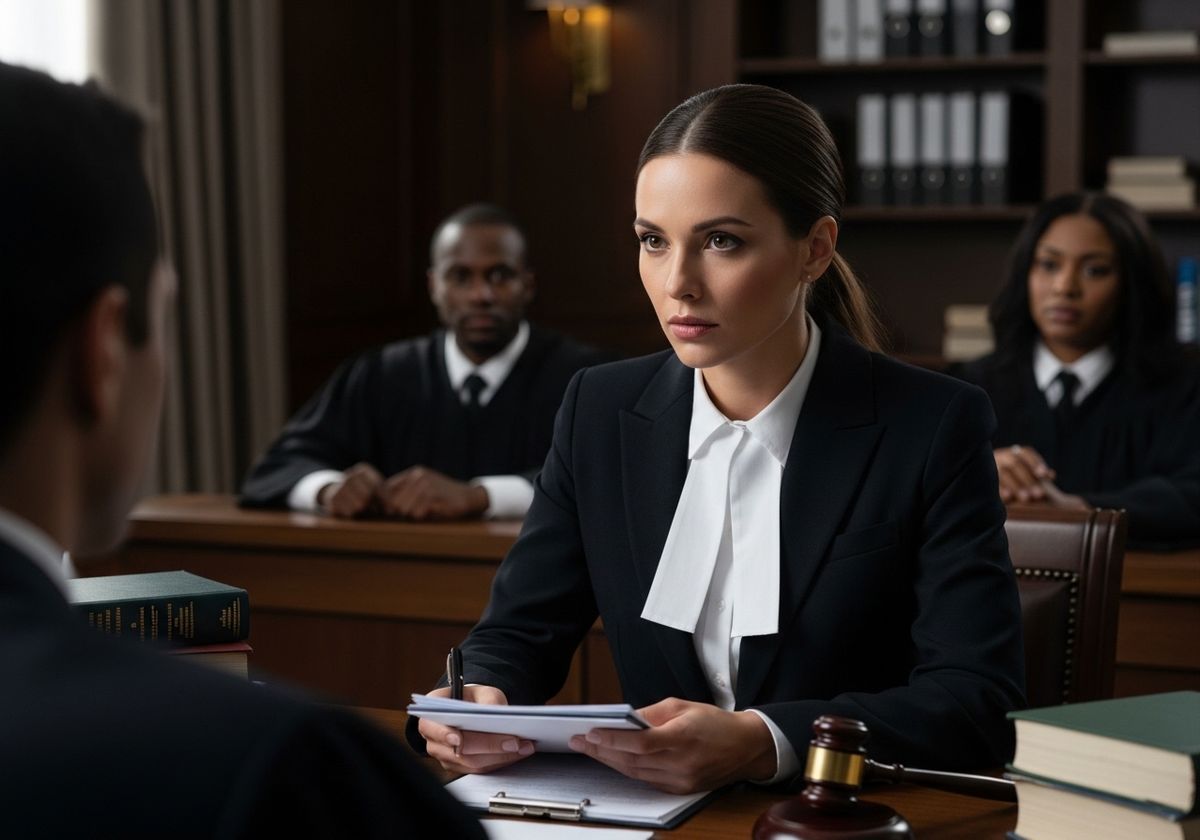
The courtroom is a high-pressure environment where a single question can shift the entire trajectory of a trial. At Elizabeth Hansen Investigations, we have spent countless hours observing and analyzing courtroom dynamics to support the defense. Our experience allows us to offer unique insights into effective cross-examination strategies. We are here to share tips that help legal professionals strengthen their approach—insights that are particularly crucial for attorneys serving the Spanish-speaking community, where cultural nuances and language barriers can significantly impact a case.
The Power of Preparation
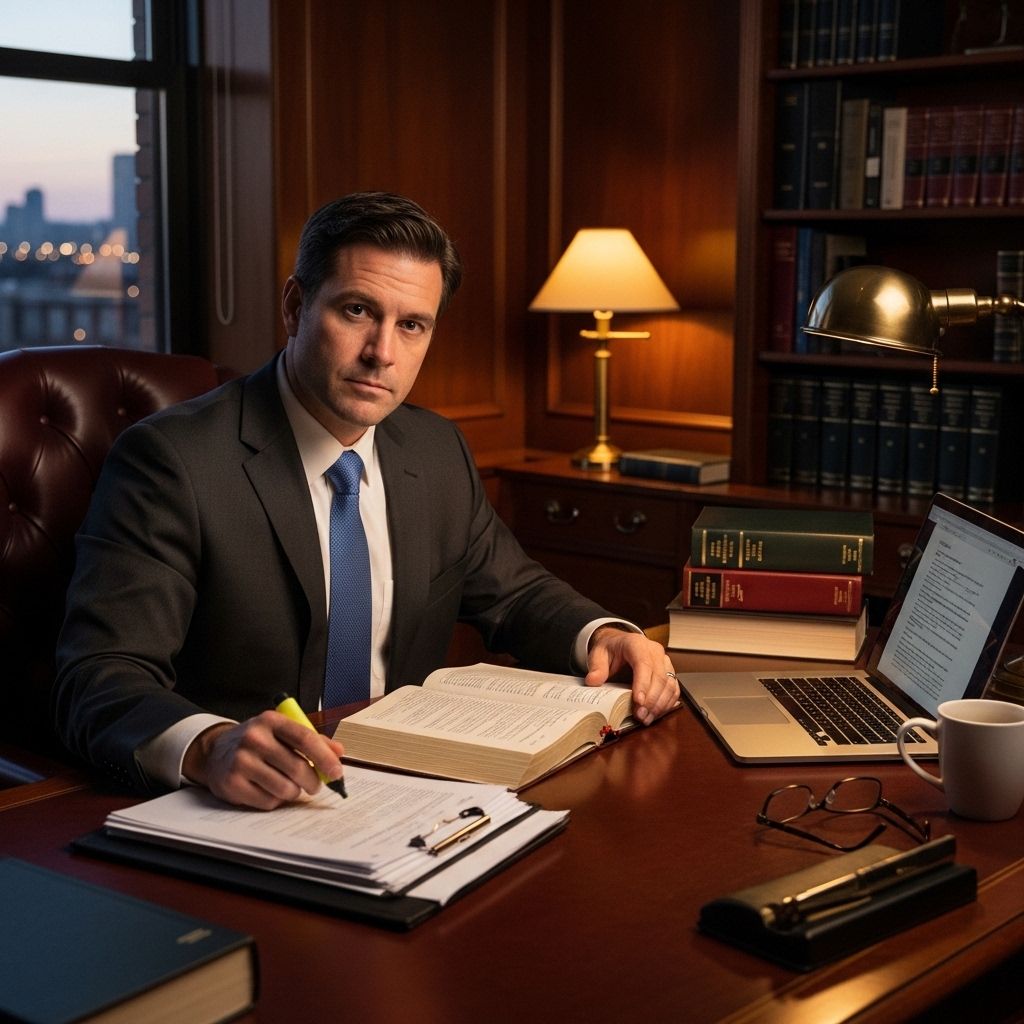
Effective cross-examination begins long before entering the courtroom. Thorough preparation is paramount. This involves:
In-Depth Case Analysis: Scrutinize every detail of the case. Identify weaknesses in the opposing side's arguments and anticipate potential challenges.
Comprehensive Witness Interviews: Conduct thorough witness interviews to uncover crucial information and assess witness credibility. These interviews can reveal inconsistencies or biases that can be exploited during cross-examination.
Strategic Management of Information: Organize and manage all case-related information effectively. This includes documents, photographs, and other evidence. A well-organized case file allows for quick retrieval of information during cross-examination.
Mastering the Art of Questioning
The way questions are framed can significantly impact the outcome of a cross-examination. Consider these techniques:
Leading Questions: Use leading questions to control the narrative and guide the witness toward desired responses. These questions should be precise and leave little room for deviation.
Closed-Ended Questions: Employ closed-ended questions to elicit specific information and limit the witness's ability to provide lengthy explanations.
Impeachment Strategies: Be prepared to impeach a witness if their testimony contradicts prior statements or known facts. This requires careful attention to detail and the ability to quickly access relevant information.
Leveraging Non-Verbal Communication
Non-verbal cues can be as important as the words spoken during cross-examination. Pay attention to:
Witness Demeanor: Observe the witness's body language, facial expressions, and tone of voice. These cues can reveal nervousness, deception, or uncertainty.
Maintaining Composure: Remain calm and composed, even when faced with challenging or unexpected testimony. Your demeanor can influence the jury's perception of your credibility.
Strategic Use of Silence: Use silence strategically to create discomfort and encourage the witness to elaborate or reveal additional information.

The Role of a Criminal Defense Private Investigator
A skilled criminal defense private investigator plays a crucial role in preparing for cross-examination. Their expertise in case analysis, strategic management, and witness interviews can provide invaluable support to attorneys. By gathering comprehensive evidence and conducting thorough investigations, they can help uncover crucial information that can be used to challenge the opposing side's case. A criminal defense private investigator ensures no stone is left unturned and that the attorney is well-prepared to present the best possible defense.
Effective cross-examination is a blend of meticulous preparation, strategic questioning, and keen observation. By mastering these techniques, legal professionals can significantly enhance their ability to advocate for their clients. Elizabeth Hansen Investigations is committed to providing experienced and compassionate criminal defense services, with a special focus on serving the Spanish-speaking community. If you're seeking a criminal defense private investigator dedicated to seeking social justice and providing a voice for those who struggle to defend themselves legally, contact us today!